Saving money on your pier and beach fishing adventures is entirely achievable with the right strategy. The accompanying video provides excellent insights into preparing for your trips, highlighting common pitfalls like overspending at bait shops and offering actionable advice. This guide builds upon those foundations, diving deeper into how you can equip yourself with quality pier fishing gear and beach fishing gear without breaking the bank, ensuring you spend more time casting and less time worrying about your budget.
Unlocking Value: The Power of Vintage Fishing Gear
One of the most effective ways to significantly reduce costs on your fishing gear, as highlighted in the video, is by embracing vintage and used equipment. Many anglers instinctively head to big box stores or specialty retailers, only to find prices soaring for new rods and reels. However, a wealth of high-quality, durable equipment often awaits discovery in unexpected places.
Vintage fishing reels and rods from reputable brands were frequently built with a focus on longevity and robust construction. Unlike some modern, mass-produced items designed with planned obsolescence in mind, older gear often utilized superior materials and simpler mechanisms that are remarkably easy to maintain and repair. The video’s speaker recounts purchasing vintage reels for as little as $30 each, a stark contrast to the $200+ price tag for a comparable new model.
Where to Discover Vintage Fishing Gear
- Thrift Stores and Second-Hand Shops: These often overlooked treasure troves can yield fantastic finds. Store clerks may not always recognize the true value of a quality fishing rod or reel, leading to incredibly low prices. Inspect items carefully for cracks, excessive corrosion, or missing parts, but don’t shy away from minor cosmetic flaws or easily replaceable components.
- Online Marketplaces: Platforms like eBay, Facebook Marketplace, and specialized fishing forums are ripe with listings for used fishing equipment. Search for well-known vintage brands like Penn, Shimano, Daiwa, or Quantum. Utilize specific model numbers if you know what you’re looking for to narrow down your search. Always ask for clear photos and detailed descriptions of condition.
- Garage Sales and Estate Sales: These local events can be goldmines, especially in coastal or fishing-heavy communities. Early birds often catch the best deals.
Before purchasing, a quick online search for reviews of the specific vintage model can offer valuable insights into its performance and common issues. You might find a classic reel that, with a little cleaning and fresh grease, performs as reliably as a brand-new one at a fraction of the cost. This approach not only saves money but also offers the unique satisfaction of revitalizing a piece of angling history.
Smart Sourcing: Buying Terminal Tackle in Bulk
While the big-ticket items like rods and reels offer significant savings opportunities, the cumulative cost of terminal tackle can quickly add up. Sinkers, hooks, swivels, and leader line are consumables; you’ll use and lose them. The speaker points out how easy it is to spend “a couple of hundred dollars” at bait shops on these necessities when traveling, simply because you forgot to pack them.
The solution is simple yet highly effective: buy in bulk online, well in advance of your trip. Consider the video’s example: pyramid sinkers costing 60 cents apiece online compared to $1.25 at a local bait shop. This nearly 50% saving on a single item can translate to hundreds of dollars over time, especially when you consider the volume of items like sinkers, hooks, and swivels a dedicated angler goes through.
Essential Terminal Tackle to Buy in Bulk:
- Sinkers: Pyramid sinkers (2oz, 3oz, 4oz for surf fishing), egg sinkers, cannonball sinkers. Different types serve different purposes, but having a good stock of your preferred styles and weights is crucial.
- Hooks: Various sizes and types. Octopus hooks (size 2, 4 mentioned in the video), circle hooks, J-hooks. Consider the species you target and the bait you use. Buying packs of 50 or 100 hooks is far more economical than small packs from bait shops.
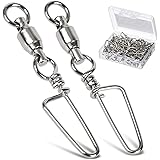
- Swivels and Snaps: Ball bearing swivels, barrel swivels, snap swivels. These prevent line twist and allow for quick rig changes.
- Leader Line: Fluorocarbon or monofilament in different test strengths. Spools of 100-200 yards are much cheaper per yard than small leader coils.
- Beads: Often used in rigs to protect knots or add attraction.
Amazon, or other large online retailers, provides an easy way to source these items. Plan your purchases well before your fishing trip to allow for shipping time and avoid last-minute, overpriced purchases. This forward-thinking approach minimizes the financial hit from lost tackle and ensures you always have a full tackle box.
Distinguishing Your Arsenal: Pier vs. Surf Fishing Setups
Understanding the specific demands of pier fishing versus surf fishing is fundamental to selecting appropriate and efficient gear. The video touches on key differences, emphasizing that “ocean fish is ocean fish” is a misconception when it comes to tackle. Each environment requires a distinct approach to maximize your chances of success.
Pier Fishing Gear Strategies
Pier fishing often involves targeting fish that congregate around the structure, sometimes directly beneath or a short distance from the pier. Long casting distances are less critical, but the ability to handle strong currents and potentially larger fish is. The video recommends a diverse setup:
- Bait Rod: A 7-foot medium-light rod paired with a smaller spinning reel (like the Shimano CI4 Plus) and lighter line (e.g., 10-pound test braid). This setup is ideal for sabiki rigs to catch baitfish or for light tackle bottom fishing.
- Big Fish Rods: For targeting larger species, the speaker suggests two options. A conventional reel (Penn International 975 with 65-pound braid) on a strong, vintage rod works well for dropping baits directly down or making shorter casts. Alternatively, a 7-foot medium-heavy spinning rod with 30-40 pound braid offers versatility for casting larger baits or lures. The key is durability and backbone to manage powerful runs.
- Terminal Tackle for Piers: General-purpose hooks (size 2 and 4), swivels, and appropriate sinkers for the current conditions. Having a range of tackle to adapt to different scenarios is beneficial.
The focus for pier fishing gear leans towards strength in a compact form, allowing anglers to maneuver easily on the pier and battle fish without excessive casting length.
Surf Fishing Gear Strategies
Surf fishing presents a different challenge: casting baits and lures beyond the breaking waves into deeper troughs where fish feed, all while contending with powerful waves and currents. Long rods are paramount here.
- Rods: A 9 to 12-foot rod is essential for effective surf fishing. These longer rods provide the leverage needed for long casts, keep your line above the incoming waves (preventing tangles with weeds and reducing line drag), and absorb the shock of hard-fighting fish in turbulent water. The speaker uses a 9-foot St. Croix medium power graphite rod and an old fiberglass rod, showcasing versatility.
- Reels: Robust spinning reels capable of handling heavy braid (30-40 pound test) and resisting saltwater corrosion are critical. The Stradic reel is mentioned as a versatile option doubling for both pier and surf. Vintage reels like the Ru Pacific or the unique Alvey sidecaster (popular in Australia) can also be excellent choices for their durability and specific casting characteristics.
- Line: 30 to 40-pound braid is a common choice for its strength and thin diameter, which aids in casting distance.
- Terminal Tackle for Surf: Pyramid sinkers (2oz, 3oz, 4oz) are crucial for anchoring your bait firmly in the shifting sand and resisting current. Specialized surf fishing rigs are designed to present bait effectively in the wash.
The extended reach of surf rods and the robust nature of their accompanying reels are non-negotiable for successfully tackling the dynamic beach environment. Your surf fishing gear must be able to withstand the elements and deliver your offerings to where the fish are holding.
The Essentials You Always Forget: Don’t Leave Home Without Them
Even the most experienced anglers can overlook crucial items in their haste to get to the water. The video humorously points out some of these oft-forgotten necessities that often lead to overpriced, last-minute purchases at local bait shops. Including these items in your initial packing list can save you significant frustration and money.
- Sand Spikes: Absolutely critical for beach fishing. These simple devices hold your rod securely upright in the sand, allowing you to set multiple rods, bait hooks, or simply relax while waiting for a bite. Without them, you’re left propping your expensive rod in precarious positions, risking damage or loss.
- Aerator: If live bait is part of your strategy, an aerator is non-negotiable. A small, battery-operated aerator keeps your baitfish or shrimp alive and frisky, significantly increasing your chances of success. They are inexpensive to buy online but can be surprisingly costly and hard to find in a pinch.
- Buckets: From holding water for bait to keeping your catch fresh, or simply serving as a seat, a sturdy bucket offers immense utility on the beach or pier. Pack a collapsible one if space is tight.
- Cooler: For keeping your catch fresh on ice, especially on long days.
- Pliers and Line Cutters: Essential tools for handling hooks, cutting line, and general rigging.
- Sun Protection: Hat, sunglasses, sunscreen. Long days under the sun demand protection.
A comprehensive checklist of these items, kept with your fishing gear, ensures you never arrive at your destination unprepared again. Proactive packing truly is the key to a stress-free and economical fishing trip.
Beyond the Gear: Embracing Sustainable Fishing Practices
While discussing the practicalities of saving money on gear, the video gracefully transitions to a far more profound topic: the importance of sustainable fishing practices. The speaker shares concerning feedback from international subscribers about areas with no fishing regulations, leading to dwindling fish populations and smaller catches. This serves as a powerful reminder that our actions as anglers have a direct impact on the health of marine ecosystems.
Sustainable fishing is not merely a suggestion; it is a responsibility for every angler who wishes to see bountiful waters for future generations. The core principle is simple: “Let it go, let it grow.”
Key Pillars of Responsible Angling:
- Catch and Release: Practice catch and release, especially for undersized fish or species you don’t intend to eat. Handle fish gently, minimize their time out of water, and ensure they are revived before release.
- Adhere to Regulations: Where regulations exist, understand and follow local size and bag limits. These rules are in place to protect fish stocks.
- Take Only What You Need: Even within legal limits, consider taking only enough fish for a meal or two for yourself and your family. Avoid over-harvesting for sport or leaving catches to waste.
- Leave No Trace: Always leave your fishing spot cleaner than you found it. Pack out all trash, including discarded fishing line, bait containers, and food wrappers. Monofilament and braid can be deadly to marine life.
- Educate Others: Share the message of responsible fishing with fellow anglers, especially newer ones. Collective action makes a significant difference.
Sustainable pier fishing and beach fishing ensures that the joy of angling can be passed down. It starts with individual choices to respect the marine environment and manage resources thoughtfully.
Ultimately, enjoying pier fishing and surf fishing doesn’t require a fortune. By being strategic in your gear acquisition—hunting for vintage finds, buying terminal tackle in bulk, and carefully selecting purpose-specific rods and reels—you can significantly save money fishing. Combining these smart financial choices with a commitment to sustainable practices ensures that your passion for fishing remains both affordable and responsible, contributing to healthy fisheries for years to come. For those looking for a complete, pre-assembled solution for specific setups, the Senko Skipper kits mentioned in the video offer a convenient starting point for beginners, covering everything from hooks and sinkers to essential guides on tides and hotspots.
Hooking Answers: Your Fishing Gear Budget Q&A
How can I save money on fishing gear when I’m just starting out?
You can save money by looking for vintage or used rods and reels at places like thrift stores or online. Also, buy consumable items like hooks and sinkers in bulk online instead of at bait shops.
What is ‘vintage fishing gear’ and is it a good option for beginners?
Vintage fishing gear refers to older rods and reels, which were often built to be very durable. They can be a great budget-friendly option for beginners, often performing reliably for a fraction of the cost of new equipment.
What’s the main difference in gear needed for pier fishing versus surf fishing?
Pier fishing often uses shorter, strong rods suitable for fishing around the pier structure. Surf fishing, however, requires longer rods (9-12 feet) to cast baits far out into the ocean from the beach and handle waves.
What are some essential items people often forget to pack for a fishing trip?
Commonly forgotten items include sand spikes to hold your rod on the beach, an aerator if you’re using live bait, and basic tools like pliers and line cutters. A bucket is also very useful for various purposes.