Are you ready to cast your line and reel in your first big catch? Building a well-equipped fishing tackle box is crucial for any beginner angler. The video above highlights many essentials. A fishing tackle box holds more than just hooks. It’s a treasure chest for anglers. It contains tools and lures. These items attract diverse fish species. This guide expands on these basics. It offers practical advice for your journey.
Building Your Beginner Fishing Tackle Box: Core Essentials
Starting with the right gear ensures a rewarding experience. Your fishing tackle box should contain versatile items. These help you adapt to different conditions. They significantly increase your chances of success. Furthermore, understanding each item’s purpose builds confidence. Therefore, choosing wisely is an important first step. This foundation supports successful outings.
Soft Plastic Baits: Versatility for Entry-Level Anglers
Soft plastic baits are indispensable for any beginner. They mimic natural prey effectively. The video highlights simple “gummy worms.” These are excellent starting points for many species. They are easy to rig onto a hook. Consequently, they offer great action in the water. Remember to be careful, as they can be easily lost. Excited young anglers might misplace them quickly. Always keep spares on hand.
Consider expanding your collection beyond basic worms. Grubs, with their “fuzzy stuffs” or paddle tails, create enticing vibrations. These baits attract aggressive fish. For instance, the speaker recalls catching a significant five-pound bass. This impressive fish was caught using such a grub. These versatile lures are widely available. Find them at Bass Pro Shops or Walmart. Prices typically range between $3.99 and $5.99. Their proven effectiveness often drives this slight cost.
Creature baits also offer unique presentations. The “cat toy” or “spider-like” lure mimics various aquatic creatures. These unusual shapes can trigger strikes from curious fish. Anglers find them particularly effective in cover. Another example is the “seaweed and worm” hybrid lure. This type successfully caught a three-pound crappie for the speaker. Such specialized soft plastics are commonly found. Check Bass Pro Shops or Walmart for these. They usually range from $9.00 to $10.99. Their intricate designs and lifelike movements justify this investment.
Rigging soft plastics is also important. Beginners often start with a Texas rig. This setup makes lures weedless. It prevents snags in heavy cover. Alternatively, a wacky rig allows for a natural, subtle fall. Different rigging styles present the bait uniquely. Experimentation reveals what fish prefer. Therefore, understanding these options enhances your technique. Always ensure your hook size matches your lure.
Essential Tools for Your Fishing Tackle Box
Beyond baits, a comprehensive fishing tackle box includes vital tools. These items ensure safety and efficiency. A sturdy pocket knife is essential for cutting line. It also helps with minor tackle adjustments. Many anglers also find multi-tools incredibly useful. These combine pliers, cutters, and screwdrivers. All these functions fit into one compact unit.
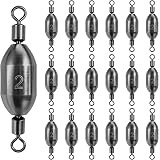
Pliers are indispensable for hook removal. They safely extract hooks from fish. This protects both the angler and the catch. Pliers also assist in forming new fishing lines. They help repair tackle on the go. Sinkers, as mentioned, are necessary for achieving bait depth. They come in various weights and shapes. This allows for precise depth control. Having a selection helps adjust for currents. It helps adapt to varying depths effectively.
Other essential tools include a measuring tape. This helps verify catch sizes. A small first-aid kit is also prudent. Minor cuts can happen quickly. Sunscreen protects against harmful UV rays. Insect repellent keeps pests away. Proper tool selection elevates your fishing experience. It prepares you for common angling challenges. Always keep your tools organized. A well-organized fishing tackle box saves time.
Specialty Baits and Attractants
Some baits offer unique advantages for specific situations. PowerBait, specifically the liver-scented version, is a prime example. While it primarily targets catfish, the speaker noted its surprising effectiveness. He caught a one-foot bass with it. Its strong scent trail can be irresistible. Many freshwater species respond positively to it. This makes it a valuable addition. Include it in any beginner’s fishing tackle box. PowerBait comes in various forms. Nuggets, dough, and soft plastic shapes are common. Each presents unique advantages.
Scent attractants, such as Hatchery Dust, aim to boost your bait’s appeal. These products mimic natural fish pheromones. They can also imitate food sources. While the speaker had no luck with Hatchery Dust, consistent experimentation is key. Different attractants work better under various conditions. Applying a quality attractant can sometimes make a difference. It can prompt a hesitant fish to strike. Consider factors like water temperature. Also, think about water clarity. These affect scent dispersion significantly.
Fishing Line: Your Connection to the Catch
The right fishing line is your direct link to the fish. The video highlights a strong, green line. This type blends seamlessly into green or stained water. Camouflage is crucial for wary fish. A robust line must withstand the fight of a large fish. The speaker confirms its ability to hold a “big trout or a bigmouth bass.” Selecting appropriate line test is vital. Match it to your target species. Also, consider the water conditions.
For beginners, monofilament line is often recommended. It offers good knot strength. Its stretch acts as a shock absorber. This makes it forgiving for new anglers. However, as you gain experience, explore other options. Fluorocarbon line is nearly invisible underwater. It also boasts high abrasion resistance. Braided line offers superior strength. It provides excellent sensitivity too. Each line type has specific advantages. Choose based on your fishing style. Also, consider your target species and environment. Therefore, understanding line properties is essential.
Lures for Specific Conditions: Night Fishing and Fly Fishing
Certain lures excel in particular environments. The speaker mentions “side-half” lures used for night fishing. These are often crankbaits or jerkbaits. They imitate injured baitfish. Their erratic swimming patterns attract predatory fish. Some even feature glow-in-the-dark elements. The speaker successfully caught a bass with one at night. Night fishing requires patience. It also demands specialized gear. Furthermore, safety should always be a priority after dark.
Early morning or night fishing can also utilize specific surface lures. The “dead bug or something” lures described are often topwater flies. They can also be small poppers. These sit on the water’s surface. They create subtle disturbances. Fish feeding on insects near the surface find these irresistible. Anglers must be careful, as fish can quickly escape. This happens if they are not hooked properly. These specialized baits demonstrate variety. They highlight different fishing scenarios. Spinnerbaits and chatterbaits also create strong vibrations. These are effective in murky water or low light. Their flash and movement grab attention.
Acquiring Your Tackle: Where to Shop for Your Fishing Tackle Box
Knowing where to buy your gear is as important as knowing what to buy. Retailers like Bass Pro Shops are excellent resources. They offer a vast selection of specialized fishing equipment. Walmart provides more budget-friendly and accessible options. You can find many fundamental items for your fishing tackle box there. While Target might carry some basic fishing items, it’s less common for specialized tackle. Explore local bait and tackle shops as well. They often provide invaluable local advice. They also stock specialized gear for your area. These shops can guide you on what works best in specific fishing areas. Moreover, comparing prices across different retailers can save you money. Online stores also offer a wide selection and competitive pricing.
The speaker also mentioned acquiring baits from unexpected places. Some were bought from a “little church house” near Colombia. This highlights that valuable fishing insights and unique gear can come from anywhere. Always be open to new discoveries. Experimentation is a cornerstone of successful angling. Your fishing tackle box will grow and evolve with experience.
Reeling in Answers: Your Beginner’s Tackle Box Q&A
What is a fishing tackle box for?
A fishing tackle box is a container that holds essential fishing gear like tools and lures. It helps anglers organize their equipment and attract different fish species.
What are soft plastic baits and why are they good for beginners?
Soft plastic baits are lures designed to look like natural prey, such as worms or grubs. They are excellent for beginners because they are versatile, easy to rig, and effective for many fish species.
What important tools should a beginner keep in their tackle box?
Beginners should include a sturdy pocket knife for cutting line and pliers for safely removing hooks. Sinkers are also important for controlling the depth of your bait.
What kind of fishing line is recommended for beginners?
Monofilament line is often recommended for beginners because it offers good knot strength and its stretch acts as a shock absorber. This makes it forgiving for new anglers.
Where can a beginner buy fishing gear?
Beginners can find fishing gear at large retailers like Bass Pro Shops or Walmart for budget-friendly options. Local bait and tackle shops are also great for specialized items and local advice.