Embarking on the journey of bass fishing can often feel like navigating a labyrinth, especially when confronted with the bewildering array of tackle and lures lining the aisles of a fishing store. Many aspiring anglers find themselves overwhelmed by the sheer volume of choices, leading to uncertainty about where to even begin. It is precisely this common dilemma that is addressed in the accompanying video, which meticulously guides beginners through the process of selecting their initial **bass fishing tackle**. This article is designed to complement the video’s invaluable insights, providing an expanded written resource that delves deeper into the foundational gear necessary for any novice angler to start their bass fishing adventure with confidence.
Laying the Foundation: The Essential Tackle Box for Beginner Bass Fishing
The initial selection of a tackle box is often underestimated, yet its significance cannot be overstated for the organized angler. In the video, the vast diversity of tackle boxes is highlighted, ranging from gender-specific designs to various sizes and constructions. For those new to the sport, a practical and scalable approach is generally recommended.
Specifically, utility boxes in the 2600 or 3600 size categories are often suggested as an ideal starting point. These boxes are characterized by their modular design, which allows for customization of compartments to accommodate different lures, hooks, and weights. Furthermore, their compact nature facilitates easy storage within a backpack, a distinct advantage for bank anglers or those with limited gear space. Renowned manufacturers such as Plano, Bass Mafia, and Flambeau are recognized for producing durable and functional utility boxes that meet these criteria, providing reliable options for new entrants into the sport. The emphasis on these versatile boxes stems from their ability to be accumulated over time, allowing an angler’s storage capacity to expand concurrently with their growing tackle collection.
Unpacking Terminal Tackle: Hooks and Weights for Bass Fishing Beginners
Terminal tackle, which encompasses the components directly attached to the fishing line, constitutes the immediate point of contact between the angler’s presentation and the fish. A judicious selection of these items is paramount for effective bass fishing.
Bullet Weights: The Cornerstone of Versatility
Bullet weights are an indispensable component for numerous soft plastic presentations, particularly the Texas Rig. Their streamlined design allows them to penetrate cover with minimal snagging, a crucial attribute for effective fishing in various environments. For beginners, a pragmatic approach is to acquire non-tungsten bullet weights in two fundamental sizes: 1/8 ounce and 1/4 ounce. These weights, often available at a modest cost per bag, offer a balance of performance and affordability. The selection of these two sizes is deliberate:
- 1/8 ounce: This lighter weight is ideally suited for shallower water, slower retrieves, or when fishing through sparse cover. Its subtle descent allows for a more natural presentation of soft plastics.
- 1/4 ounce: Conversely, the heavier 1/4 ounce weight is preferred for deeper water, in areas with stronger currents, or when a faster retrieve or increased sensitivity is desired, particularly when punching through thicker vegetation.
While premium tungsten weights are available and offer advantages such as increased sensitivity and smaller profiles for their weight, their higher cost typically renders them a less suitable initial investment for beginners. Focusing on cost-effective alternatives allows new anglers to experiment and develop techniques without a significant financial outlay.
Selecting the Right Worm Hooks for Soft Plastics
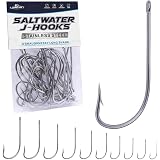
The efficacy of a soft plastic presentation is significantly influenced by the chosen hook. For bass fishing with soft plastics, the video specifically recommends two primary types of worm hooks:
- Offset Hooks: Characterized by a bend just below the eye, these hooks are engineered to allow soft plastics to be rigged “weedless.” This means the hook point is embedded within the plastic bait, preventing it from snagging on submerged vegetation, timber, or rocks. The design is crucial for maintaining a natural presentation while minimizing frustration from snags.
- Wide Gap Hooks: These hooks feature a generous distance between the hook point and the shank, which is vital for providing sufficient clearance when a bass compresses the soft plastic. A wider gap ensures a more consistent and secure hook-set, as the hook point has ample space to expose itself and penetrate the fish’s mouth.
Furthermore, specialized designs like the “Grip-Pin” wide gap hook are noted for their ability to securely hold soft plastics in place, preventing them from sliding down the hook during casting or retrieval. This feature extends the lifespan of the bait and maintains its intended action in the water. For an initial purchase, hook sizes 3/0 and 4/0 are generally recommended. These sizes are considered versatile and appropriate for a wide range of common soft plastic baits, ensuring that a beginner has suitable options for their starting lure collection.
Strategic Soft Plastics for Your First Bass Lures
The world of soft plastics is extensive, but for a beginner, narrowing the focus to a select few highly effective and versatile options is a sound strategy. The video makes a compelling case for the Trick Worm.
The Versatile Trick Worm: A Beginner’s Staple
The Trick Worm is championed as an exceptional starting point for its inherent simplicity and proven fish-catching ability. Its slender, often tapered profile and subtle action make it appealing to bass in various conditions. Its primary advantage for beginners lies in its extraordinary versatility:
- Texas Rig: As demonstrated in the video, the Trick Worm is perfectly suited for a Texas Rig. This weedless setup allows it to be fished effectively through heavy cover without snagging, making it an excellent choice for bank anglers.
- Shaky Head: When paired with a shaky head, the Trick Worm exhibits an enticing quiver with minimal angler input, making it deadly for finicky bass or when a more subtle presentation is required.
- Jig Head: It can also be rigged on a standard jig head for an open-water, finesse presentation, further expanding its utility.
Regarding color selection, the overwhelming choices can be simplified to two highly effective and universally appealing options: green pumpkin and black. Green pumpkin is considered a naturalistic color, often mimicking crawfish, baitfish, or other aquatic creatures, making it effective in clear to lightly stained water. Black, conversely, excels in stained or murky water conditions, or on overcast days, as it creates a distinct silhouette against the sky, making it easier for bass to detect. By focusing on these two colors, beginners are equipped to cover a broad spectrum of water conditions and bass preferences.
Mastering Bottom Baits for Entry-Level Anglers
Many species of bass, particularly largemouth bass, are ambush predators that frequently relate to structure on the bottom, feeding on crawfish, smaller fish, and other benthic organisms. Consequently, mastering bottom baits is a critical skill set for any aspiring bass angler.
The Productive Shaky Head for Finesse Presentations
The shaky head jig is recognized as an exceptionally effective finesse bait, particularly useful when bass are less aggressive or when fishing pressure is high. This presentation is often lauded for its ability to entice bites when other lures fail. The preferred shaky head design, as indicated in the video, features a small screw-lock or spring-lock mechanism positioned at the base of the jig head. This innovation serves to securely attach the soft plastic bait, preventing it from tearing or sliding down the hook shank prematurely. The effectiveness of a shaky head is derived from its ability to present a soft plastic bait in an upright, “standing” posture on the bottom, mimicking a foraging creature. A subtle shaking motion, imparted by the angler, causes the bait to quiver enticingly, often triggering bites from even the most lethargic bass. Its relative simplicity of use and high success rate make it an invaluable addition to a beginner’s tackle box.
Introducing the Jointed Jig: A Snag-Resistant Alternative
While traditional jigs can be challenging for new anglers due to their propensity for snagging in heavy cover, the jointed jig presents a beginner-friendly alternative. The video specifically mentions a “Jointed Structure Head,” such as those produced by Strike King, which features a free-swinging jig head and a wide gap hook. This unique design significantly reduces the likelihood of snags, a common frustration for anglers, especially those fishing from the bank where access to retrieved lures can be limited. The jointed design allows the hook to pivot independently of the weight, providing an enhanced level of weedlessness. This characteristic makes the jointed jig an excellent choice for beginners who wish to experiment with jig fishing—a technique known for its ability to catch larger bass—without the constant interruption of retrieving snagged lures. Its effectiveness and snag-resistant nature contribute to a more enjoyable and productive learning experience.
Topwater and Moving Baits: Covering the Water Column
Beyond bottom-oriented presentations, bass frequently feed in the mid-water column or near the surface, especially when pursuing baitfish. Incorporating moving baits into a beginner’s arsenal allows for a more comprehensive approach to targeting bass in various situations.
The All-Around Spinnerbait: A Beginner’s Best Friend
Spinnerbaits are widely considered one of the most forgiving and effective moving baits for beginner bass anglers, particularly for those fishing from the bank. Their design, featuring a weighted head, a skirted body, and one or more spinning blades, generates significant vibration and flash, attracting bass from a distance. The video highlights several key advantages of spinnerbaits:
- Snag Resistance: The “R” shaped wire frame and upward-pointing hook design make spinnerbaits highly resistant to snags when retrieved through weeds, brush, or timber, a significant benefit for bank anglers.
- Ease of Use: They are remarkably simple to fish; a straightforward cast and retrieve is often all that is required. The blades provide the action, removing much of the complexity often associated with other moving baits.
- Versatility: Spinnerbaits can be fished at various depths by simply adjusting retrieve speed. They are effective in clear or stained water, and under sunny or overcast conditions.
For beginners, smaller spinnerbait models are often recommended, such as the Strike King Mini-King or Premier Pro-Model. In terms of color, white and white/chartreuse are universally effective choices. White often imitates various baitfish, while white/chartreuse offers higher visibility in stained water or on darker days. The video advises against overthinking blade configurations for beginners, emphasizing that the primary goal is simply to have a lure that can be cast out, wound in, and bumped through cover without constant snagging. Conversely, crankbaits, while effective, are generally not recommended for initial bank fishing due to their high propensity for snagging, which can lead to frustration and lost lures.
Beyond the Basics: Building Confidence in Bass Fishing
The initial selection of **bass fishing tackle** should be viewed not as a definitive collection, but rather as a foundational kit upon which an angler’s experience and expertise can be progressively built. The guidance provided, both in the video and within this article, emphasizes a deliberate, cost-effective approach to acquiring essential gear. It is intended to circumvent the common pitfall of overspending on specialized tackle before fundamental skills are established.
The journey into bass fishing is a process of continuous learning and adaptation. By starting with a carefully curated selection of tackle—focused on versatility, ease of use, and snag resistance—new anglers can concentrate on developing crucial techniques such as casting accuracy, bait presentation, and detecting strikes. The confidence gained from successfully catching bass on these fundamental lures will naturally foster a desire to explore more advanced techniques and specialized equipment. As one progresses, more intricate considerations such as rod and reel combinations, advanced knot tying, and specific seasonal patterns will be introduced, further enriching the bass fishing experience. However, the initial step, as detailed here, remains the most critical: acquiring the right **bass fishing tackle** to get out on the water and begin the rewarding pursuit of catching fish.
Hooking into Answers: Your Beginner Bass Q&A
What type of tackle box should a beginner bass angler buy?
For beginners, utility boxes in 2600 or 3600 sizes are recommended. These boxes are modular, compact, and allow you to expand your storage as your tackle collection grows.
What essential weights and hooks do I need to start bass fishing?
You should start with non-tungsten bullet weights in 1/8 ounce and 1/4 ounce sizes. For hooks, acquire offset and wide gap worm hooks in 3/0 and 4/0 sizes to handle various soft plastics.
What is a good first soft plastic lure for bass fishing beginners?
The Trick Worm is an excellent starting point due to its versatility, being effective when rigged as a Texas Rig, shaky head, or on a jig head. Purchase them in green pumpkin and black colors for broad appeal.
Why are spinnerbaits recommended for beginner bass fishing?
Spinnerbaits are highly recommended because they are forgiving, snag-resistant, and easy to use with a simple cast and retrieve. They create significant vibration and flash to attract bass, even for new anglers.