Embarking on the journey of bass fishing can be incredibly rewarding, and as the video above effectively highlights, even seemingly small adjustments can lead to significantly improved catch rates. For any beginner angler aiming to master the nuances of catching more bass, understanding specific strategies for lure selection, location intelligence, and community engagement is paramount. These foundational principles are not just about catching fish; they’re about developing a deeper understanding of angling dynamics and embracing the learning process.
The expert insights shared in the video provide an excellent starting point, focusing on practical, actionable advice that cuts through much of the confusion often faced by newcomers. We will delve deeper into each of these critical areas, expanding on the ‘why’ behind these effective techniques and offering further considerations to elevate your bass fishing success. By integrating these tactics, you’ll be well on your way to a more productive and enjoyable experience on the water, moving beyond random luck to a more calculated approach.
Mastering Lure Selection: The Finesse Advantage for Beginner Bass Anglers
One of the most immediate and impactful changes a beginner bass angler can make is to critically evaluate their lure selection, particularly regarding size. Many popular commercial lures are designed with visual appeal to the angler in mind, often appearing larger and more robust than necessary for the average bass in highly pressured, local waters. This is where the concept of “downsizing” your lures comes into play, a strategic move that can dramatically increase your chances of triggering a strike, especially when fish are less aggressive or more wary.
Why Downsizing Lures Works for Bass Fishing
Bass, particularly in smaller ponds or heavily fished areas, become highly accustomed to seeing larger, more aggressive presentations. Smaller lures mimic more common forage fish or insects that bass encounter daily, making them appear less threatening and more natural. This subtle approach, often referred to as “finesse fishing,” can entice bites from inactive or wary bass that would otherwise ignore a bulkier offering. Furthermore, smaller lures typically have smaller hooks, which are easier for a bass to inhale, leading to more secure hooksets and fewer missed opportunities.
Choosing the Right Small Lures for Beginners
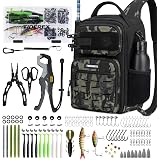
For those looking to adopt a finesse approach, there are several categories of smaller lures that consistently prove effective for catching more bass. Soft plastics, such as Ned rigs, small wacky worms, or tiny creature baits, are excellent choices, offering a subtle action that bass find irresistible. Spinnerbaits and crankbaits in the 1/8 to 1/4 ounce range, with natural color patterns, can also be highly productive when bass are actively feeding. Experimenting with micro jigs or even panfish-sized lures can yield surprising results when the bite is tough, especially in clear water conditions where subtlety is key to avoiding spooking fish.
Strategic Water Coverage: Maximizing Your Chances to Catch More Bass
Beyond optimizing your tackle, understanding how to effectively cover water is arguably one of the most critical skills a developing angler can cultivate. As the video rightly emphasizes, staying in one spot for too long without action often means you are fishing unproductive water. Bass are not evenly distributed throughout a lake or pond; they relate to specific structures, cover, or forage opportunities, and their locations can change based on a multitude of environmental factors, including time of day, weather, and water temperature.
Understanding Fish Location and Movement
Bass are ambush predators, often positioning themselves near points of interest where they can ambush unsuspecting prey. This includes submerged vegetation, fallen trees, rocky outcrops, docks, or changes in depth contour. Active fish will often be found patrolling these areas, while less active fish might hold tighter to cover. Identifying these potential holding areas and systematically targeting them significantly increases your odds, transforming your fishing from a waiting game into a strategic hunt. Moreover, paying attention to water clarity and current, even in still waters, can provide clues to where fish might be positioned.
Effective Search Patterns and When to Relocate
To efficiently cover water, an angler should employ methodical search patterns rather than random casting. For instance, fan casting from a single spot, covering a 180-degree arc, allows you to thoroughly present your lure to any fish in the immediate vicinity. If after approximately “twenty minutes of casting” without a bite, as the video suggests, it’s a strong indicator that the current spot is not holding active fish. This twenty-minute threshold isn’t arbitrary; it reflects the average time it might take to thoroughly work a specific area with various presentations. Relocating to a new area with different types of cover or structure dramatically improves the likelihood of encountering a new school of bass or a solitary trophy fish. This active pursuit is far more valuable than patiently waiting for a potentially non-existent bite.
The Power of Community: Leveraging Fellow Anglers for Success
While gear and technique are fundamental, the third and perhaps most understated tip for catching more bass, as powerfully conveyed in the video, is the willingness to engage with the angling community. Many beginners, out of shyness or a desire to appear self-sufficient, might hesitate to approach more experienced anglers. However, this hesitation often means missing out on invaluable, real-time intelligence that can dramatically shorten your learning curve and lead to immediate success on the water.
Approaching Other Anglers: Etiquette and Questions
The angling community is generally very supportive, and most experienced fishermen are more than happy to share their knowledge, especially when approached respectfully. When you observe someone successfully catching fish while you are struggling, a simple, polite inquiry can unlock a wealth of information. Start with a friendly greeting and a compliment on their success. Then, ask targeted questions such as what type of lure they are using, the depth they are fishing, or the general retrieve speed. Avoid asking for their secret “honey hole,” but rather seek to understand the *method* behind their success, which is far more beneficial for your long-term learning.
Benefits of Networking in the Angling World
Beyond immediate advice, forming connections with other anglers opens doors to a broader understanding of bass fishing. You might learn about different techniques tailored to specific seasons, discover new local fishing spots, or even find opportunities to fish with more experienced partners. This collaborative spirit not only enhances your fishing skills but also enriches the entire angling experience. The shared passion for the sport often fosters a camaraderie that goes beyond the water, proving that catching more bass can also lead to catching new friendships and invaluable knowledge.
Casting for Answers: Your Bass Fishing Q&A
What does it mean to “downsize” lures when bass fishing?
Downsizing lures means choosing smaller baits than you might typically use, which can make them appear more natural and less threatening to wary bass.
Why should I use smaller lures for bass fishing?
Smaller lures often mimic common food sources, enticing bites from bass that might ignore larger, more aggressive presentations, especially in pressured fishing spots.
How do I know when to move to a new fishing spot?
If you haven’t had any bites after about twenty minutes of casting in one area, it’s generally a good sign that you should relocate to a new spot to find active fish.
Is it helpful to talk to other anglers for advice?
Yes, politely asking experienced anglers about their techniques, lures, or general retrieve speeds can provide invaluable, real-time information and shorten your learning curve.