The timeless allure of fishing has captivated countless individuals seeking tranquility and connection with nature. It is an activity offering both peaceful solitude and exhilarating moments of challenge. Embarking on a fishing adventure, as perhaps depicted in the engaging video presented above, necessitates understanding the fundamental equipment involved. Proper preparation significantly enhances the enjoyment and success experienced on the water. A comprehensive grasp of essential fishing tools becomes invaluable for both novice and experienced anglers alike.
For those new to the sport, the array of available gear might initially seem overwhelming and complex. However, mastering the basics of fishing tools is a straightforward process when approached systematically. An effective fishing setup is considered to be a carefully chosen collection of items designed to maximize efficiency and pleasure. Equipping oneself with the right fishing tools ensures a more productive outing, irrespective of the targeted species or chosen fishing environment. This guide will clarify the purpose and function of various pieces of equipment, making your initial ventures into angling more accessible and rewarding.
Understanding Basic Fishing Gear: Rods, Reels, and Line
The foundation of any successful fishing endeavor begins with the selection of appropriate rods and reels. These crucial components are designed to work in harmony, allowing for accurate casting and effective retrieval of fish. A variety of rod types are available, each specifically engineered for different fishing styles and target fish sizes. Learning about these distinctions helps in making an informed choice for your specific angling aspirations. The reel, attached to the rod, manages the fishing line and provides the mechanical advantage required to fight and land fish successfully.
Selecting the Right Fishing Rod
Fishing rods are distinguished by their length, power, and action, each characteristic influencing their performance. Shorter rods are generally favored for casting in tight spaces and for handling larger, stronger fish with more leverage. Longer rods, however, are often used for achieving greater casting distances, particularly when fishing from shore or open water. The ‘power’ of a rod refers to its stiffness and its ability to bend under load, indicating the size of fish it is intended to handle. A rod’s ‘action’ describes where it bends when pressure is applied, affecting its sensitivity and how quickly it returns to its original position after a cast.
Choosing a Suitable Fishing Reel
Spinning reels are widely regarded as an excellent choice for beginner anglers due to their user-friendliness and versatility. These reels are mounted underneath the fishing rod and feature an open-face design where the line is stored on a stationary spool. The process of casting with a spinning reel is comparatively intuitive, requiring minimal practice for effective execution. Baitcasting reels, conversely, are typically mounted on top of the rod and offer greater precision and power, though they necessitate more skill to operate without tangles. Understanding the basic mechanics of each type is essential for optimal performance.
The Importance of Fishing Line
Fishing line is considered to be the critical link between the angler and the fish, making its selection profoundly important. Monofilament line, a single strand of nylon, is popular among beginners because of its stretchiness, which helps absorb shock from sudden bites. Fluorocarbon line, while less visible underwater, is stiffer and offers excellent abrasion resistance, making it suitable for clear water conditions. Braided line, consisting of multiple woven strands, boasts exceptional strength-to-diameter ratio and minimal stretch, providing superior sensitivity for detecting subtle bites. The appropriate line strength, known as ‘test,’ must be matched to the target fish and the rod and reel combination being utilized.
Essential Terminal Tackle: Hooks, Sinkers, Floats, and Lures
Terminal tackle refers to the various items attached to the end of the fishing line, closest to the fish. This category includes a diverse assortment of small but incredibly important components that directly interact with the fish. These items are strategically chosen based on the type of fish being pursued, the fishing method employed, and the specific environmental conditions encountered. Mastering the selection and rigging of terminal tackle is a significant step towards becoming a proficient angler. Each component plays a specific role in presenting bait or lures effectively and securing a catch.
Selecting the Right Hooks
Hooks are designed in various shapes, sizes, and styles, each serving a particular purpose in securing fish. Circle hooks are often favored for catch-and-release fishing because they typically hook in the corner of the fish’s mouth, reducing injury. J-hooks, with their more traditional shape, are effective for many species but can be more prone to deep-hooking. The size of the hook is determined by the size of the bait being used and the mouth size of the target fish. Using a hook that is too large might deter smaller fish, while one that is too small might not hold larger fish securely.
Understanding Sinkers and Floats
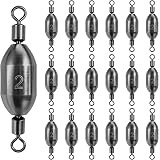
Sinkers, also known as weights, are attached to the line to help the bait or lure descend to the desired depth in the water column. They are available in various forms, such as split shot, bullet weights, and egg sinkers, each suited for different applications and water conditions. Floats, or bobbers, are utilized to suspend bait at a specific depth and to visibly indicate when a fish takes the bait. They provide a clear visual signal to the angler, simplifying the detection of subtle bites. Both sinkers and floats are considered indispensable tools for precise bait presentation.
Choosing Lures and Bait
Lures are artificial devices designed to attract and trick fish into biting by mimicking natural prey. They come in an astonishing array of types, including crankbaits, spinnerbaits, soft plastics, and jigs, each with unique actions and appearances. Live bait, such as worms, minnows, or crickets, is often incredibly effective due to its natural scent and movement. The choice between lures and live bait is often dictated by the target species, local regulations, and personal preference. Experimentation with both types is often recommended to discover what works best in a given fishing spot.
Essential Accessories for a Successful Trip
Beyond the core rod, reel, line, and terminal tackle, several other accessories are considered vital for a comfortable and productive fishing expedition. These supplementary fishing tools often improve efficiency, ensure safety, and contribute to a more enjoyable experience overall. Preparing a well-stocked tackle box with these items can prevent frustration and enhance readiness for various situations. Thoughtful consideration of these accessories reflects a prepared and responsible approach to angling. Being organized and having the right supplementary items at hand often makes a significant difference in the success of your outing.
The Importance of a Tackle Box
A well-organized tackle box is considered to be an angler’s mobile command center for all small essential items. It provides dedicated compartments for hooks, weights, swivels, and lures, keeping them neatly separated and easily accessible. Selecting a tackle box with durable construction and sufficient storage capacity is advised for long-term use. Clear lids or transparent sections are especially beneficial, allowing for quick identification of contents without opening every compartment. A good tackle box saves valuable fishing time by eliminating the need to search for specific pieces of gear.
Utilizing Pliers and Clippers
A sturdy pair of fishing pliers is considered an indispensable tool for a multitude of tasks performed on the water. They are primarily used for safely removing hooks from fish, crimping split shot weights, and cutting heavy fishing line or leader material. Line clippers, often small and sharp, are designed for making precise cuts in fishing line, ensuring clean knots. Having these tools readily available prevents damage to your teeth or fingers when dealing with tough lines or deeply set hooks. The use of these specialized tools significantly enhances both safety and efficiency during a fishing trip.
The Role of a Landing Net
A landing net is considered a valuable accessory for successfully bringing larger fish into the boat or onto the shore. It provides a gentle and secure way to subdue a fish once it has been reeled in close to the angler. The use of a net helps prevent damage to the fish, especially if it is intended for catch and release. Nets with rubberized mesh are preferred because they are less likely to injure the fish’s scales and protective slime layer. This tool proves particularly useful when dealing with energetic fish that might otherwise break the line at the last moment.
Measuring and Weighing Tools
For anglers who participate in catch-and-release, or for those who adhere to specific size and bag limits, measuring and weighing tools are absolutely essential. A reliable fish ruler or measuring tape allows for accurate assessment of a fish’s length, ensuring compliance with regulations. Portable digital scales are used to determine the weight of the catch, providing valuable data for personal records or tournament participation. These tools allow for responsible angling practices and contribute to the conservation of fish populations. Accurate measurements are often a point of pride and important for data collection.
Safety and Comfort Gear for Anglers
Beyond the immediate fishing implements, consideration must be given to personal safety and comfort, which are paramount for any enjoyable outdoor activity. The unpredictable nature of the outdoors necessitates preparedness for varying environmental conditions and potential emergencies. Appropriate safety gear ensures protection against common hazards, while comfortable attire contributes significantly to a positive experience. Equipping oneself with these items reflects a responsible and mindful approach to spending time in nature. Prioritizing personal well-being allows for a more relaxed and focused fishing adventure.
The Importance of Life Vests
For any activity conducted on or near the water, a personal flotation device (PFD), commonly known as a life vest, is considered a non-negotiable safety item. Life vests are designed to keep an individual afloat in the event of an accidental fall into the water. Even strong swimmers are advised to wear a PFD, especially when fishing from a boat, kayak, or along slippery banks. Many jurisdictions have legal requirements regarding the wearing or carrying of PFDs, underscoring their critical importance. Prioritizing this piece of safety equipment can literally be a life-saving decision for any angler.
Protection from the Sun
Extended exposure to the sun’s harmful ultraviolet (UV) rays can lead to sunburn, heatstroke, and long-term skin damage. Therefore, comprehensive sun protection is considered an essential component of any angler’s kit. A wide-brimmed hat shields the face, neck, and ears, while quality sunglasses protect the eyes from glare and UV radiation. High-SPF sunscreen should be applied generously to all exposed skin and reapplied regularly, especially after contact with water. Lightweight, long-sleeved clothing with UPF (Ultraviolet Protection Factor) ratings also offers excellent protection against the sun’s harsh effects.
Appropriate Fishing Attire
Dressing suitably for the weather and fishing environment greatly enhances comfort and extends the time one can spend outdoors. Layering clothing is often recommended, as it allows for easy adjustments to fluctuating temperatures throughout the day. Moisture-wicking fabrics are preferred as they draw sweat away from the body, keeping the wearer dry and comfortable. Waterproof outer layers, such as rain jackets and pants, become indispensable during inclement weather. Additionally, sturdy, non-slip footwear is crucial for maintaining balance on wet surfaces and navigating uneven terrain safely. Investing in quality attire will contribute significantly to your overall enjoyment.
Embarking on a fishing journey is often an incredibly rewarding experience that is greatly enhanced by adequate preparation and the use of proper fishing tools. The selection of the right equipment not only streamlines the process but also maximizes the enjoyment derived from each outing. Understanding the function and importance of each item, from rods and reels to essential safety gear, is a foundational step for any aspiring angler. By carefully considering these indispensable fishing tools, beginners can confidently approach their first ventures into the sport, fostering a lasting passion for the outdoors and all its offerings.
Hook, Line, and Query: Your Fishing Tool Q&A
What are the most important basic fishing tools I need to start?
The foundation of any fishing setup includes a rod, a reel, and fishing line. These three components are designed to work together for casting and retrieving fish.
Which type of fishing reel is best for beginners?
Spinning reels are widely recommended for beginner anglers. They are user-friendly and versatile, making them easy to cast and operate with minimal practice.
What is ‘terminal tackle’ in fishing?
Terminal tackle refers to the various small but important items attached to the very end of your fishing line, closest to the fish. This includes items like hooks, sinkers, floats, and lures.
Why is a tackle box important for fishing?
A tackle box helps you organize and store all your small essential items like hooks, weights, and lures in dedicated compartments. It keeps your gear neat, easily accessible, and saves valuable time.
Why is it important to wear a life vest when fishing?
A life vest, also known as a personal flotation device (PFD), is crucial for safety on or near the water. It is designed to keep you afloat if you accidentally fall in, even if you are a strong swimmer.