Are you frequently wondering how to discover new and productive local fishing spots in your area? Finding the perfect place to cast your line can sometimes feel like a daunting task, especially when exploring unfamiliar territory. Fortunately, a variety of powerful tools and resources are readily available to assist anglers in their quest for prime fishing locations. The accompanying video offers practical advice on utilizing several of these effective methods for finding local fishing spots.
This article will expand upon the valuable insights shared in the video, providing a more detailed guide to uncovering those hidden gems. Whether you are new to an area or simply seeking to broaden your fishing horizons, these strategies can be employed to enhance your success on the water. A systematic approach to searching will ultimately lead to more memorable fishing experiences and an increased catch rate.
Unlocking Potential with Google Maps Fishing Features
One of the most accessible and effective tools for finding local fishing spots is Google Maps, particularly its satellite imagery. This feature allows for a bird’s-eye view of virtually any body of water, offering invaluable clues about its potential. By carefully studying the satellite images, anglers can identify key underwater structures and topographical features that are often overlooked from the bank. It is important to look for elements that provide fish with cover, ambush points, or shelter from currents.
When scrutinizing a pond or river section on Google Maps, attention should be paid to several critical indicators. Submerged trees, rock piles, and distinct points extending into the water are known to attract fish. Additionally, areas where water flows in or out, such as culverts or creek mouths, can concentrate baitfish and, consequently, predatory species. Observing the water color and clarity in different areas can also provide hints about the type of fishing that might be successful. The ability to zoom in and out allows for both broad reconnaissance and detailed analysis of specific sections, making it an indispensable resource for pre-fishing scouting.
A crucial consideration when using Google Maps for identifying potential local fishing spots involves confirming public access. It is paramount that anglers respect private property and local regulations to avoid any complications. If a promising location, such as a marina or a private pond, is identified, contacting the property owner or local authorities beforehand is strongly recommended. This simple step can prevent trespass issues and ensure a pleasant and legal fishing outing for everyone involved. Planning ahead is a vital component of responsible angling.
Leveraging State Fisheries and Local Communities
Beyond digital mapping tools, state Department of Game and Inland Fisheries websites represent a wealth of information for anglers. These official government resources typically provide extensive lists of publicly accessible lakes, rivers, and even smaller ponds. Detailed information, including species present, stocking schedules, and specific fishing regulations for each body of water, is often available. Exploring these websites can reveal numerous designated public fishing areas that might not be immediately obvious through other searches.
The online world also offers vibrant communities where local knowledge is freely exchanged. Facebook, for instance, hosts countless local bass fishing groups and general angling communities where members share tips, photos, and insights into productive spots. Joining several such groups can connect you with experienced local anglers who are often eager to help newcomers. These communities can also serve as a great way to find new fishing buddies, offering opportunities for shared experiences on the water. The collective wisdom found in these groups can significantly shorten the learning curve for any angler.
Essential Bank Fishing Strategies and Bait Selection
Once potential local fishing spots have been identified, effective bank fishing techniques become crucial for success. When fishing from the bank, it is often necessary to cover a significant amount of water to locate actively feeding fish. This strategy involves “fan casting,” which means making casts in a wide arc to thoroughly explore a section of water. Each cast should be allowed to sink to the bottom, and close attention should be paid to the fishing line for subtle indications of a bite before it is felt in the rod. Detecting these slight twitches can significantly increase the chances of hooking a fish.
Targeting specific cover and structure is another fundamental aspect of bank fishing. Fish commonly congregate around pilings, submerged logs, weed lines, and any other feature that provides shelter or an ambush point. Making accurate casts to these areas is often more productive than casting into open water. Furthermore, approaching a fishing spot with stealth and making longer casts can be beneficial, as fish can often detect vibrations from footsteps along the bank. The element of surprise can be a decisive factor in securing a bite.
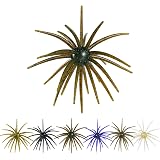
Selecting the right bait for the conditions is also important for successful fishing trips. For instance, topwater baits, such as prop baits, are often effective during low-light conditions or when fish are observed breaking the surface. These baits are designed to mimic injured prey on the water’s surface, triggering aggressive strikes. Conversely, soft plastic baits like craw-style lures or stick baits are highly versatile and can be fished in various ways. They can be Texas-rigged and dragged along the bottom or wacky-rigged with a weighted jig head, making them ideal for targeting fish holding near submerged structure or on the bottom. Carrying a variety of baits allows anglers to adapt to different scenarios and preferences of the fish.
Experiencing Diverse Fisheries: Tidal Basins and Beyond
Some of the most intriguing local fishing spots include unique environments like tidal basins, as highlighted in the video’s visit to the Tidal Basin in Washington D.C. These areas are characterized by fluctuating water levels and currents that move in and out with the tides, typically twice a day. This dynamic environment creates excellent opportunities for fishing, as fish often use structures like bridges or submerged features as breaks from the current. They position themselves in these areas to ambush baitfish that are carried by the flow.
Understanding the impact of tidal movements can significantly enhance fishing success in such locations. An incoming tide, for example, often pushes baitfish and other forage into a basin, activating predatory fish. Experimenting with different baits and techniques during various tidal phases can reveal patterns of fish behavior. Whether exploring a well-known marina or a newly discovered public access point, the thrill of landing a fish, be it a feisty largemouth bass or a powerful blue catfish, makes all the effort of finding local fishing spots truly worthwhile. Remember to always respect the environment, adhere to regulations, and enjoy the great outdoors.
Reel In Your Questions: Finding Fishing Spots
How can I find new fishing spots near me?
You can find local fishing spots by using Google Maps satellite imagery, checking state Department of Game and Inland Fisheries websites, and joining online fishing communities.
How does Google Maps help locate fishing spots?
Google Maps provides a bird’s-eye view of water bodies, allowing you to identify potential fish-holding structures like submerged trees, rock piles, or creek mouths. You can zoom in to analyze specific sections for potential spots.
What should I look for when using Google Maps to find fishing spots?
Look for underwater features such as submerged trees, rock piles, or points extending into the water, as well as areas where water flows in or out. Always confirm public access to any identified location to avoid trespassing.
Are there other resources besides Google Maps for finding fishing spots?
Yes, state Department of Game and Inland Fisheries websites offer detailed information on public lakes and rivers, including species and regulations. Online communities like local Facebook fishing groups also share valuable knowledge and tips.
What are some basic tips for fishing from the bank?
When bank fishing, try ‘fan casting’ to cover a wide area and target structures like logs or weed lines where fish hide. Approaching stealthily and selecting bait appropriate for the conditions are also important for success.