Every angler knows the frustration: a perfect fishing day suddenly marred by a tangled line, a snagged lure, or worse, a damaged rod. In fact, studies suggest that over 70% of anglers experience line tangles or equipment issues on a regular basis, leading to lost fishing time and significant gear replacement costs. The video above highlights some excellent, practical solutions to these common problems, offering a glimpse into simple yet highly effective fishing hacks that can transform your experience on the water.
This article expands on the clever insights shared in the video, delving deeper into why these tricks work, offering additional context, and providing a comprehensive guide to mastering these angling essentials. From protecting your valuable rods to preventing costly rust on your terminal tackle, these strategies are designed to save you time, money, and most importantly, enhance your enjoyment of the sport.
Safeguarding Your Investment: The Power of Rod Sleeves
One of the most immediate and impactful fishing hacks discussed in the video involves the use of simple rod sleeves. While a new fishing rod might set you back anywhere from $50 to several hundred dollars, or even more for high-performance models, the preventative measure of a rod sleeve comes at a negligible cost—typically between $4 to $6. This small investment stands in stark contrast to the potential expense of replacing a damaged rod. However, the benefits extend far beyond just cost savings.
Rod sleeves, often made from durable mesh or fabric, provide a protective barrier against a multitude of common hazards. For instance, when transporting multiple rods, whether in a vehicle or a boat locker, sleeves prevent them from clanking against each other. This direct contact is a leading cause of scratches, nicks, and even structural damage to delicate rod blanks and sensitive guides. Similarly, without sleeves, fishing line can easily become entangled between rods, leading to frustrating knots or even weakened line from abrasion. Furthermore, the constant exposure to UV rays and minor impacts during storage can degrade materials over time; rod sleeves offer an additional layer of protection against these environmental factors, extending the lifespan and preserving the performance characteristics of your cherished fishing gear. Investing in these sleeves is not just about protection; it’s about maintaining the sensitivity and action that make your rod a joy to use.
Taming Line Memory: Smooth Casts, Fewer Headaches
Few things are as frustrating as pulling out a reel only to find your fishing line resembling an old telephone cord. This phenomenon, known as line memory, significantly hinders casting distance, reduces lure presentation accuracy, and is a primary culprit behind those dreaded bird’s nests and wind knots. The video cleverly demonstrates a simple yet effective technique to combat this: stretching your line. This method directly addresses the root cause of line memory, which is often due to the line being coiled tightly on the spool for extended periods.
The Science Behind Line Memory and Its Impact
Fishing lines, particularly monofilament, are made from polymer plastics that, over time, can “remember” the shape they are held in. When spooled tightly, especially in warm conditions, these polymers take on the coiled shape of the reel. This ‘memory’ drastically affects the line’s performance. For example, a line with significant memory will resist straightening as it comes off the spool, causing it to spring off in coils. This resistance creates friction, reducing casting distance by as much as 20-30%, and can also lead to more frequent tangles and diminished knot strength. Moreover, a coiled line can negatively impact the natural presentation of your lure, making it less appealing to fish. Anglers often spend significant amounts on high-quality lures, only to have their effectiveness compromised by poor line management.
Advanced Tips for Line Management
While the video’s trick of stretching the line for 15-30 seconds around a fixed point is highly effective for immediate relief, consider these additional strategies for long-term line health:
- Line Conditioners: Specialty sprays or treatments can lubricate the line, reducing friction and minimizing memory.
- Proper Spooling: Ensure your line is spooled correctly with appropriate tension to prevent overwinding or underwinding.
- Fresh Line: Replace your line regularly, especially monofilament, as it degrades with UV exposure and use. Fluorocarbon and braid generally have less memory but can still benefit from proper care.
- Storage: Store reels out of direct sunlight and extreme temperatures, which can exacerbate line memory.
Retrieving Snagged Lures: Ingenuity Saves the Day
Losing a favorite lure to an underwater snag is a rite of passage for many anglers, but it doesn’t have to be a recurring nightmare. The video presents two ingenious fishing hacks for dislodging stubborn lures, especially when fishing from the bank. These methods are particularly valuable when considering that a single crankbait can cost upwards of $15-$20, and losing multiple lures in a single outing can quickly diminish your fishing budget.
The Snap and Throw Methods Explained
The “snap” method, where you grab and quickly release the line near the reel while snapping the rod, creates a sudden, strong oscillation that often frees the lure. This works by sending a shockwave down the line, dislodging the hooks from the obstacle without putting excessive, damaging strain on your rod tip. The second method, involving carefully throwing the rod towards the lure while holding the line taut, uses the rod tip’s impact to physically knock the lure free. This is a bold move, but when executed correctly, it’s highly effective. Both techniques require practice and a bit of courage but can significantly reduce the number of lures lost to submerged trees, rocks, or stumps.
Environmental and Economic Impact of Lost Lures
Beyond the personal cost, lost lures contribute to environmental pollution. Hard plastic lures, lead weights, and monofilament line can persist in aquatic environments for decades, posing hazards to wildlife and contributing to microplastic contamination. By successfully retrieving your lures, you not only save money but also contribute to more responsible angling practices. Moreover, commercial lure retrievers, which can range from $10 to $50, offer another option for those who prefer not to risk their rod. However, the video’s “free” methods demonstrate that ingenuity can often be just as effective as specialized equipment.
Battling Rust: The Ultimate Tackle Organization Strategy
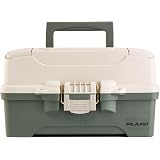
Rusted hooks are an angler’s bane, a silent killer of terminal tackle. As the video rightly points out, rust spreads voraciously, often leading to the premature demise of entire boxes of hooks, swivels, and snaps. The presenter’s solution—individualized, sealed tackle compartments, exemplified by the Flambeau Terminal Tackle File system (which he notes retails for around $20)—is a strategic masterstroke in rust prevention. This approach not only isolates potential rust contamination but also leverages advanced material science to actively combat corrosion.
Understanding Rust and Its Prevention
Rust, or iron oxide, forms when iron or its alloys (like steel in hooks) are exposed to oxygen and moisture. Even a single wet hook stored incorrectly can initiate a chain reaction, spreading rust to every piece of metal tackle it touches. This compromises the integrity and sharpness of hooks, making them less effective and potentially unsafe. The Flambeau system’s multi-layered protection—a large outer box, smaller individual boxes, and then sealed plastic baggies—creates significant barriers to moisture ingress. More importantly, the video highlights the “blue dividers” which supposedly “stop rust.” These are likely infused with Volatile Corrosion Inhibitor (VCI) technology.
The Power of VCI Technology
VCI is a sophisticated chemical technology that releases molecules into the air within an enclosed space. These molecules create an invisible, protective layer on metal surfaces, actively preventing the electrochemical reactions that cause rust and corrosion. Unlike traditional oils or greases, VCI is clean, odorless, and doesn’t require direct application to the metal. This makes VCI-infused tackle boxes incredibly effective for long-term storage, especially for delicate terminal tackle that frequently encounters water. The $20-$30 investment in such a system can easily save hundreds of dollars in rusted-out tackle over time, paying for itself many times over.
Additional Rust Prevention Tips
- Thorough Drying: Always ensure all tackle is completely dry before storing it.
- Desiccant Packs: Adding small silica gel packs to your tackle box can absorb excess moisture.
- Rust-Resistant Materials: Opt for stainless steel or chemically sharpened, coated hooks when possible.
- Regular Inspection: Periodically check your tackle for any signs of rust and address them immediately.
Implementing these simple yet highly effective fishing hacks can significantly enhance your angling adventures, proving that a little preparation and knowledge go a long way in ensuring a smoother, more successful, and ultimately more enjoyable day on the water.
Reel In Your Answers
What are fishing rod sleeves and why should I use them?
Fishing rod sleeves are protective covers, usually made of mesh, that slide over your fishing rods. They prevent rods from getting scratched, nicked, or tangled when stored or transported, helping to extend their lifespan.
What is ‘line memory’ and how can I reduce it?
Line memory is when your fishing line, especially monofilament, remembers the coiled shape from being on the reel. You can reduce it by gently stretching the line for about 15-30 seconds around a fixed point before casting, which helps it straighten out.
What should I do if my fishing lure gets snagged underwater?
If your lure gets snagged, you can try the ‘snap’ method by quickly releasing the line near the reel while snapping the rod. Another method involves carefully throwing the rod towards the lure while holding the line taut, aiming to physically knock it free.
How can I prevent my fishing hooks and other tackle from rusting?
To prevent rust, always ensure your tackle is completely dry before storing it. Using tackle boxes with individual sealed compartments or those with Volatile Corrosion Inhibitor (VCI) technology can also actively protect your metal tackle.