The gentle hum of an early morning, the shimmering surface of a lake, and the promise of a peaceful day by the water – these are the hallmarks of a great fishing trip. Yet, for many aspiring anglers, the journey into lake fishing can seem daunting. Where does one even begin? The video above offers a fantastic primer, and what follows aims to deepen your understanding, providing practical strategies and insights for navigating the vast, exciting world of lake fishing, particularly if you are just starting out.
Embarking on Your Lake Fishing Adventure: The Knowledge Quest
Every successful fishing trip begins long before your line hits the water. Imagine embarking on a treasure hunt; you would not simply dig randomly. Instead, you would consult a map. Fishing operates similarly. Information is your most valuable asset.
Unlocking Lake Secrets: Fishing Reports and Local Expertise
A quick online search for a “fishing report” can unveil recent activity. These reports often detail water temperatures, clarity, recent catches, and even the baits that are performing well. This is akin to getting insider tips on the treasure’s general location. Furthermore, a visit to your local bait shop is indispensable. These establishments are hubs of knowledge. The owners and staff possess an intimate understanding of local lakes. They can advise on specific hotspots, current conditions, and even local regulations. They are not merely selling bait; they are offering years of accumulated wisdom. Asking for specific advice on fishing lakes will often yield invaluable insights.
Essential Bait for Any Lake Fishing Expedition
When it comes to bait, simplicity often reigns supreme. As Zack highlights in the video, two core baits stand out: worms and minnows. These are the versatile keys that unlock most freshwater species. Consequently, they are readily available in bait shops across the country, often for an affordable two or three dollars.
The Allure of Natural Baits: Worms and Minnows
- Worms: These squiggly wonders are irresistible to a wide array of fish. Their natural scent and movement mimic a common food source. For larger targets like catfish, Canadian nightcrawlers offer a substantial meal. Conversely, smaller worms are ideal for panfish like bluegill. Remember to inspect containers before purchase; healthy, active worms are crucial. Keeping them cool in a cooler on warm days ensures their longevity and vitality.
- Minnows: These small baitfish are incredibly effective, particularly for predatory species. Their natural swimming action triggers aggressive strikes. Varying minnow sizes can be beneficial; medium minnows suit crappie, while larger ones attract bass. Maintaining minnow health is paramount. Transfer them to a minnow bucket with fresh lake water immediately upon arrival. This keeps them lively and appealing to hungry fish.
Understanding Lake Inhabitants: Common Freshwater Species
North American lakes teem with diverse fish populations. Four species are particularly common and offer excellent targets for beginners: bluegill, catfish, crappie, and bass. Each has distinct behaviors and preferences.
Targeting Specific Fish: Behavior and Habitat
- Bluegill: These panfish are abundant and provide excellent sport, especially for children. They prefer warmer, shallower waters, often congregating near submerged vegetation, docks, or shorelines.
- Catfish: Known for their whiskered mouths and powerful fights, catfish are bottom dwellers. They rely heavily on their sense of smell, making scented baits highly effective. They prefer deeper, murky areas.
- Crappie: These schooling fish are often found suspended in the water column, neither at the surface nor on the bottom. They frequently relate to submerged brush piles, timber, or bridge pilings.
- Bass: Largemouth and Smallmouth bass are apex predators in many lakes. They are highly structure-oriented, seeking cover like fallen trees, rock piles, or weed beds to ambush prey. Their aggressive nature makes them a thrilling target.
Optimizing Your Gear: Rod and Reel Setups for Lake Fishing
The right gear makes a significant difference. You do not need an arsenal of expensive equipment. Rather, two distinct rod and reel setups will cover most lake fishing scenarios.
Choosing the Right Line: Strength and Sensitivity
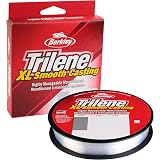
- Heavy Setup (10-12 pound test line): This setup is robust. It handles larger fish like catfish and bass. The heavier line resists abrasion from structure and provides the power needed for strong hooksets. This is your workhorse for battling bigger catches in fishing lakes.
- Light Setup (4 pound test line): This lighter line is ideal for panfish, bluegill, and crappie. Its thinner diameter is less visible to finicky fish, leading to more bites. The lighter action rod associated with this line allows for a more sensitive feel, detecting subtle nibbles. Consequently, success rates improve for these smaller, cautious feeders.
Rigging for Success: Specific Setups and Techniques
Mastering basic rigs is a cornerstone of effective lake fishing. Each rig is tailored to the specific behavior of the target fish.
Catfish and Bass: Power Fishing with Heavier Line
For catfish and bass, utilize your 10-12 pound test line setup. A simple yet highly effective rig involves a 1-ought or 2-ought circle hook. Circle hooks are excellent for beginners as they are largely self-setting and minimize gut-hooking. Thread a juicy worm onto the hook. Above this, incorporate a foot-long leader tied to a barrel swivel. This swivel prevents line twist. Finally, add a small egg sinker above the swivel. This ‘slip sinker’ design allows the fish to pull the bait without feeling the weight of the sinker, thus reducing their suspicion. For catfish, fish directly on the bottom without a bobber. For bass, consider artificial lures.
Top Lures for Bass
Bass are aggressive predators that respond well to various lures. Crankbaits are particularly effective. Lures like the Kavin Vandam 2.5 square bill or a Rapala jointed crankbait create vibration and erratic action, mimicking injured prey. Retrieve these at varying speeds to provoke strikes. Moreover, a versatile inline spinner, such as a Rooster Tail, Blue Fox, or Panther Martin, can attract bass, crappie, catfish, and bluegill, making it an excellent all-around choice. These lures generate flash and vibration, irresistible to many species.
Crappie and Bluegill: Finesse Fishing with Lighter Line
Your 4-pound test line setup is perfect for the more delicate bites of crappie and bluegill.
Crappie Fishing: Suspending Minnows and Slip Bobbers
Crappie often suspend themselves at mid-depths. To target them, use a small J-hook. Hook a lively minnow through its nostril. This method keeps the minnow active and alive for extended periods. Attach a small split shot weight about 8 inches to a foot above the hook. This keeps your minnow at the desired depth. When fishing from a boat or dock, simply drop your line to the estimated mid-column depth. For shore fishing, a slip bobber is a game-changer. A slip bobber slides freely on your line. You attach a bobber stop (a small knot of string) at your desired depth. When you cast, the bobber slides up the line until it hits the stop. This allows you to cast a great distance while still fishing at a precise, deep suspension, like 12 feet, without the bobber interfering with the cast.
Bluegill and Panfish: Near the Bank and Downsizing
Bluegill typically stay close to the bank. A small bobber is ideal for these fish. The smaller the bobber, the less resistance the fish feels, making them less likely to spit the hook. Position your bait, usually a small worm, about two to three feet below the bobber. Place a small split shot weight a foot and a half down, with your hook another six inches to a foot below that. If bluegill are constantly stealing your bait without getting hooked, it signifies they are nibbling. Subsequently, downsizing your hook and even the bait piece can greatly improve your hook-up ratio. Bluegill fishing provides an excellent introduction to fishing lakes for new anglers.
Recap and Final Tips for Lake Fishing Beginners
To summarize, success in lake fishing hinges on understanding fish behavior and matching your tackle accordingly. For bluegill, use worms near the shore with 4-pound test line, targeting depths around three feet. Catfish require worms on the bottom, utilizing your 10-12 pound test line. Crappie bite on minnows, suspended at mid-depths, best caught with 4-pound test. Bass will strike minnows or aggressive lures like crankbaits, fished with 10-12 pound test line. Remember Zack’s advice: an inline spinner is a truly versatile option, often effective for all four species. Experimentation and patience are your best tools on the water. Therefore, embrace these tips and enjoy your time exploring the rich opportunities for fishing lakes.
Reel In Your Queries: Beginner Lake Fishing Questions Answered
Where can a beginner find information before going lake fishing?
Start by checking online for fishing reports, which detail recent catches and conditions. Visiting your local bait shop is also very helpful, as staff can provide invaluable local knowledge and advice.
What are some good basic baits for new lake anglers?
Worms and minnows are highly recommended for beginners because they are versatile natural baits that attract a wide variety of freshwater fish. They are also affordable and readily available at bait shops.
What are some common types of fish I can expect to catch in lakes as a beginner?
As a beginner, you can commonly expect to catch bluegill, catfish, crappie, and bass in many lakes. Each species has distinct behaviors and preferences regarding habitat.
What basic fishing rod setups are recommended for lake fishing?
It’s helpful to have two setups: a heavier one with 10-12 pound test line for larger fish like bass and catfish, and a lighter one with 4-pound test line for smaller panfish like bluegill and crappie.